Overview

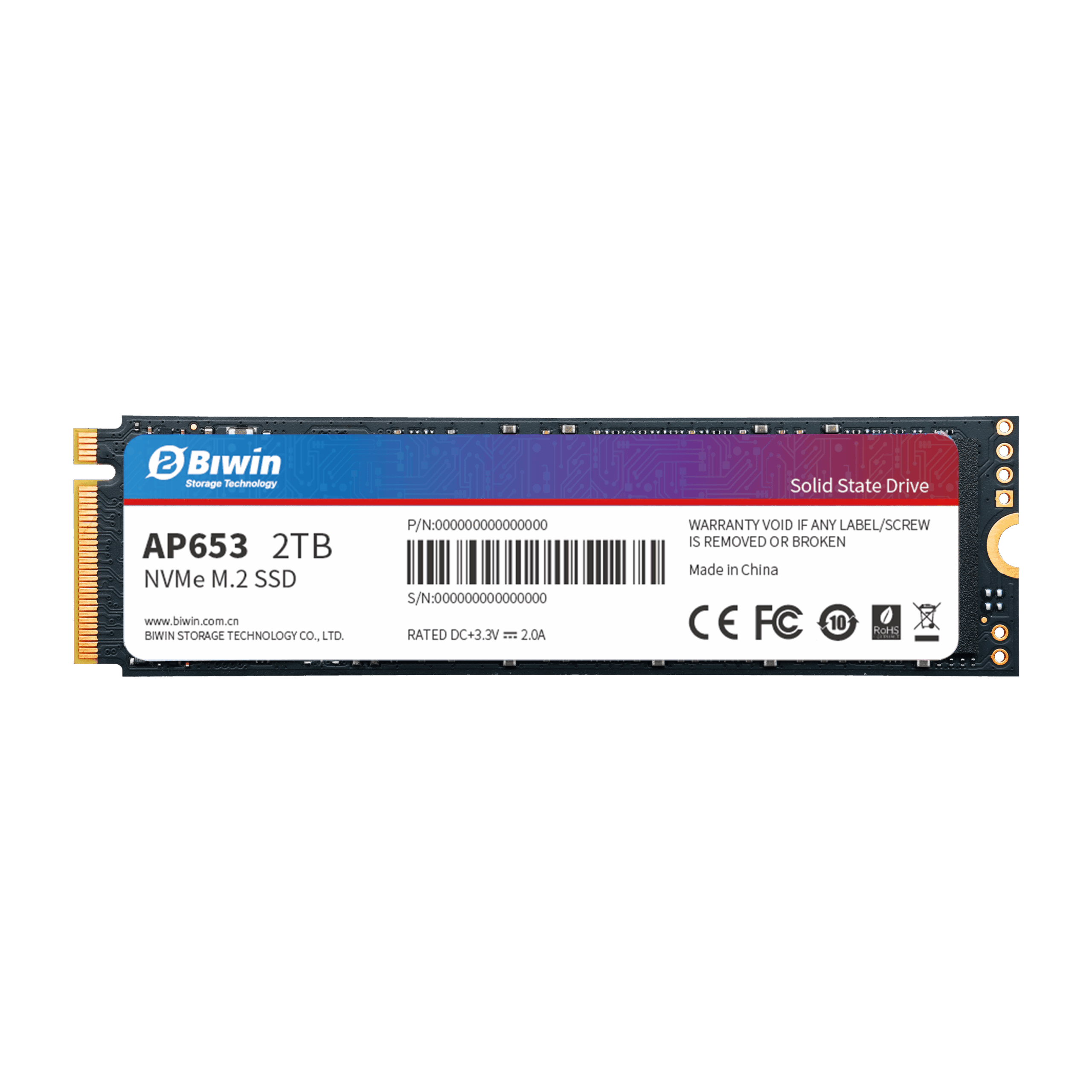
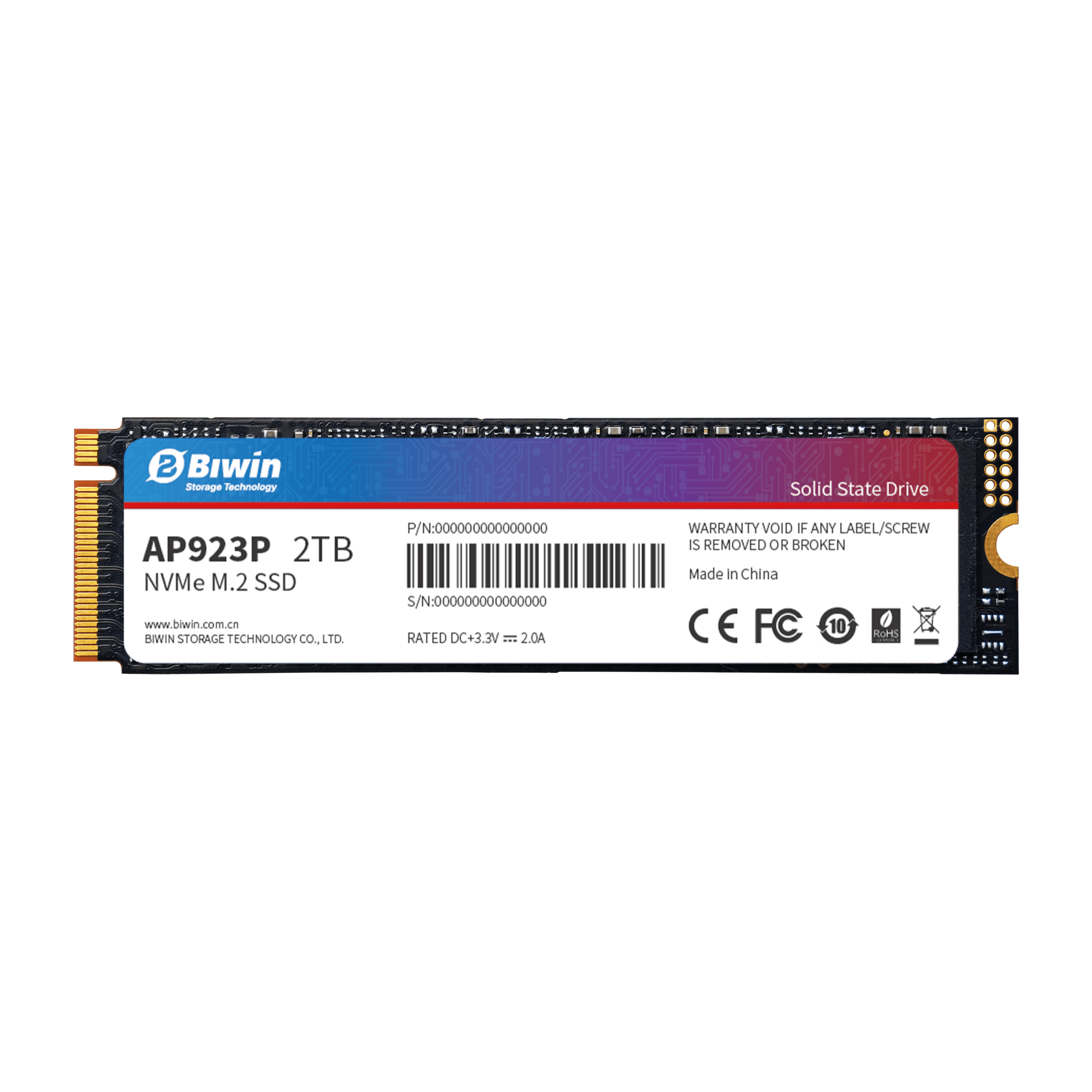
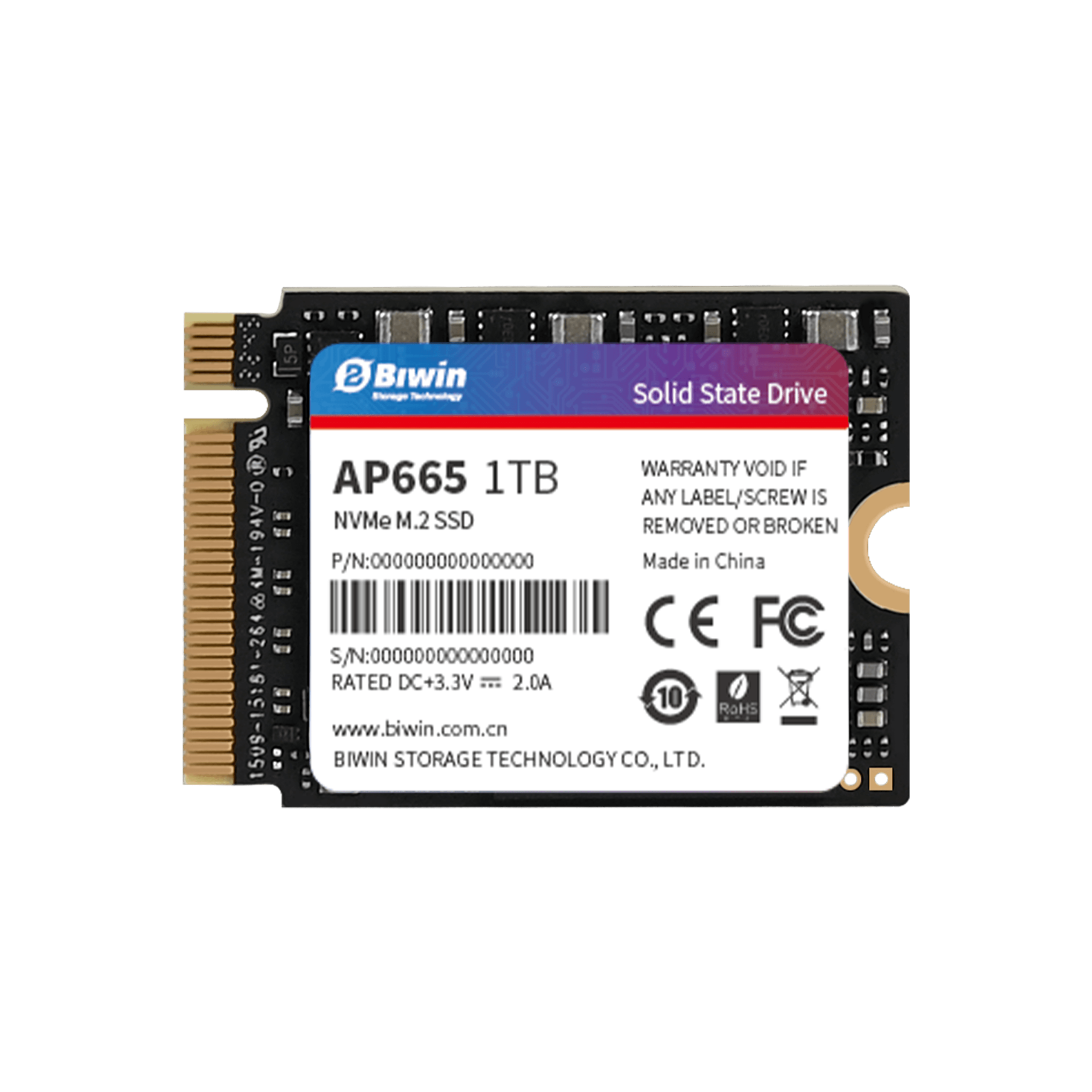
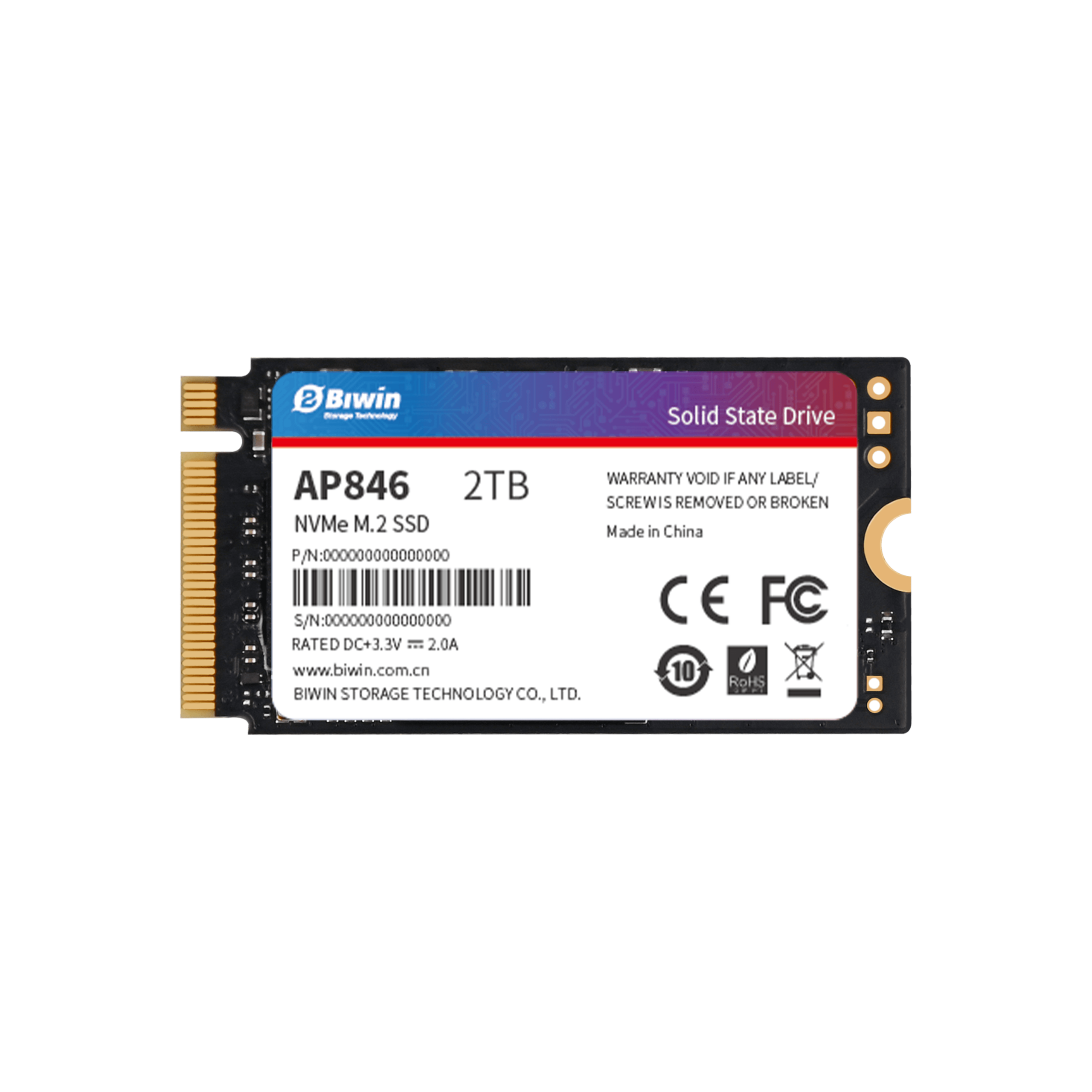
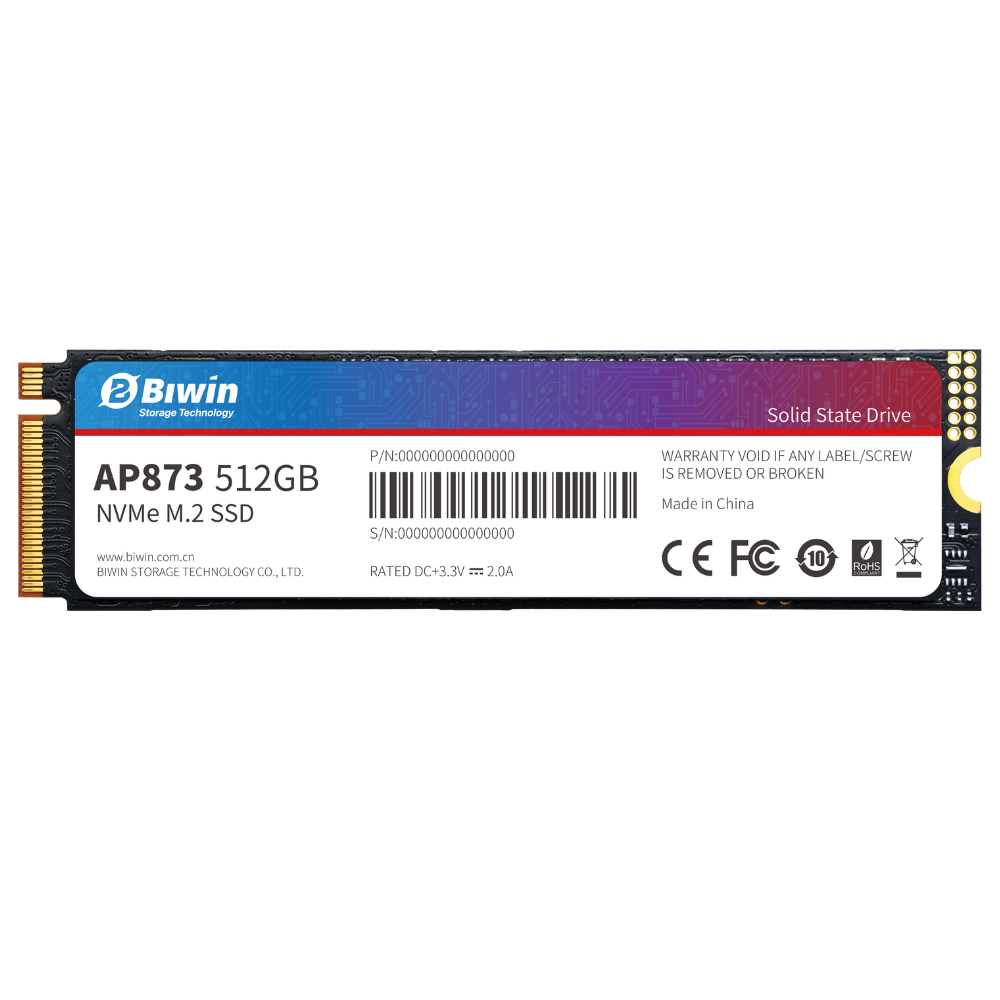
Engineered for the PC OEM market, BIWIN’s A-series PCIe SSDs combine DRAM-less design with high performance, large capacity, strong reliability, and broad compatibility. Rigorously tested to meet strict quality standards, these drives ensure stable supply and dependable operation, backed by a 3-year warranty. Fully compatible with mainstream CPU platforms and operating systems, these SSDs empower desktops, notebooks, and all-in-one PCs to deliver fast, efficient, and reliable computing experiences.

Requirements

  • High Performance: Demanding workloads such as OS installation, gaming, HD video, collaboration, and digital learning require fast, multi-threaded data transfers and low-latency responsiveness.
  • High Data Integrity: Long sessions of office work, gaming, or entertainment may expose PCs to issues such as boot failures, crashes, or hardware damage due to overheating.
  • Emerging Scenarios: With the rise of AI PCs and architectures combining CPU, GPU, and NPU, local AI model execution demands higher computing power, faster data transfer, and greater storage capacity to sustain next-generation performance.

Highlights

  • High Performance, Low Power, Large Capacity, Custom Firmware
    1. a) Proprietary firmware optimizations support SLC caching, intelligent thermal control, key data backup, low power consumption, RAID, secure erase, and partitioning—balancing speed, efficiency, and security.
    2. b) DRAM-less architecture with HMB support delivers excellent read/write performance.
      • Gen4 SSDs: Sequential read/write up to 7000 MB/s and 6300 MB/s; random read/write up to 1000K/1000K IOPS.
      • Gen3 SSDs: Sequential read/write up to 3600 MB/s and 2900 MB/s; random read/write up to 500K/400K IOPS.
    3. c) Capacity options up to 4 TB support smooth 4K/8K video playback and large-scale AAA gaming without stuttering.
  • Rigorous Testing for Reliability

    Products undergo firmware, system-level, reliability, compatibility, and hardware testing:

    1. a) Firmware Testing: Verifies protocol handling, FTL functionality, and backend features.
    2. b) System-Level Testing: Simulates diverse I/O models, power-loss events, and mixed workloads under real user scenarios.
    3. c) Reliability Testing: Covers environmental reliability, physical durability, FA analysis, and environmental compliance, validated with MTBF > 1.5 million hours.
  • Broad Compatibility Across Platforms
    1. a) Compatible with Intel and AMD platforms, including Intel 10th–14th Gen, Ultra series, and AMD Zen2–Zen5, as well as Windows 10, Windows 11, and Linux OS.
    2. b) Certified across major notebook brands such as Huawei, ASUS, Dell, Lenovo, HASEE, Acer, HP, Xiaomi, and Machenike—covering gaming desktops, ultrabooks, and all-in-one desktops. Our products have already entered the supply chains of leading national and global PC OEMs.
  • Flexible Form Factors and Capacities
    1. a) Multiple capacity options from 256 GB to 4 TB.
    2. b) Supports M.2 2230, M.2 2242, and M.2 2280 form factors to meet diverse OEM design requirements.

Case Study

Background

A PC OEM specializing in online education and affordable entertainment notebooks targeted student households and budget-conscious young users.

Their priority was maximum storage capacity at minimum cost—storing extensive libraries of educational content, coursework, games, and movies. Sequential speed was secondary; affordability and capacity were clearly the most important qualities.

Within this market positioning, PCIe 4.0 could serve as both a marketing differentiator and as a safeguard for future compatibility QLC NAND, with its high density and lower cost, became the critical technology to deliver the required “large capacity at low price.”

Challenges

  • Tight Cost Constraints: Storage had to deliver 512 GB–1 TB capacity within a very limited BOM budget.
  • Marketing & User Perceptions: Concerns about QLC limitations needed to be minimized while simultaneously promoting PCIe 4.0 as a selling point
  • Reliability Assurance: Maintain acceptable reliability and return rates over a 3 to 5-year notebook lifecycle, despite being positioned as a cost-effective consumer-grade QLC SSD.

Implementation

  • Product Selection: Deployed PCIe 4.0 QLC SSDs with 5000–7000 MB/s sequential reads, focusing on 1 TB capacity as the key differentiator.
  • SLC Cache Strategy: Expanded SLC cache ensured smooth everyday performance—boot-ups, app launches, and multi-GB transfers remained responsive.
  • Thermal Optimization: Optimized SSD placement on the motherboard away from CPU/GPU heat sources to sustain stable QLC performance.

Outcomes

  • Cost Competitiveness: Delivered strong value in its price segment by offering notebooks with 1 TB PCIe 4.0 QLC SSDs, creating a clear cost-per-capacity advantage.
  • Precise User Alignment: Matched the target demographic (students and households) with usage patterns of frequent reads and light, distributed writes, maximizing the benefits of PCIe 4.0 performance and QLC capacity to achieve high satisfaction.
  • Successful Market Segmentation: Opened up the “affordable large-capacity storage” niche, avoiding direct competition with high-performance and business notebooks, and achieving significant sales growth.
  • Sustained Reliability: Mitigated QLC endurance limitations through higher capacities and typical light workloads, keeping return rates within acceptable levels and ensuring a stable reputation for overall product quality.