Overview

The tablet industry is evolving at a rapid pace. With brands competing intensely for market share, success depends on constant innovation, immersive user experiences, and performance-driven design. High-resolution displays, ultra-smooth refresh rates, and the integration of AI are redefining what tablets can do—expanding their role across entertainment, productivity, and beyond. Amid this growth, storage solutions for tablets face increasing challenges in technology, cost efficiency, and consumer demand, while keeping pace with shifting market trends.

Requirements

  • Seamless Multimedia Performance: The surge in HD video, immersive gaming, and multimedia content calls for consistently smooth performance and responsive interaction.
  • Compact & Lightweight Design: The push toward thinner, lighter devices requires storage solutions that deliver exceptional performance in compact, power-efficient designs.
  • Flexible Capacity Options: End users expect flexibility, with diverse needs for storage capacity, speed, and reliability.

Highlights

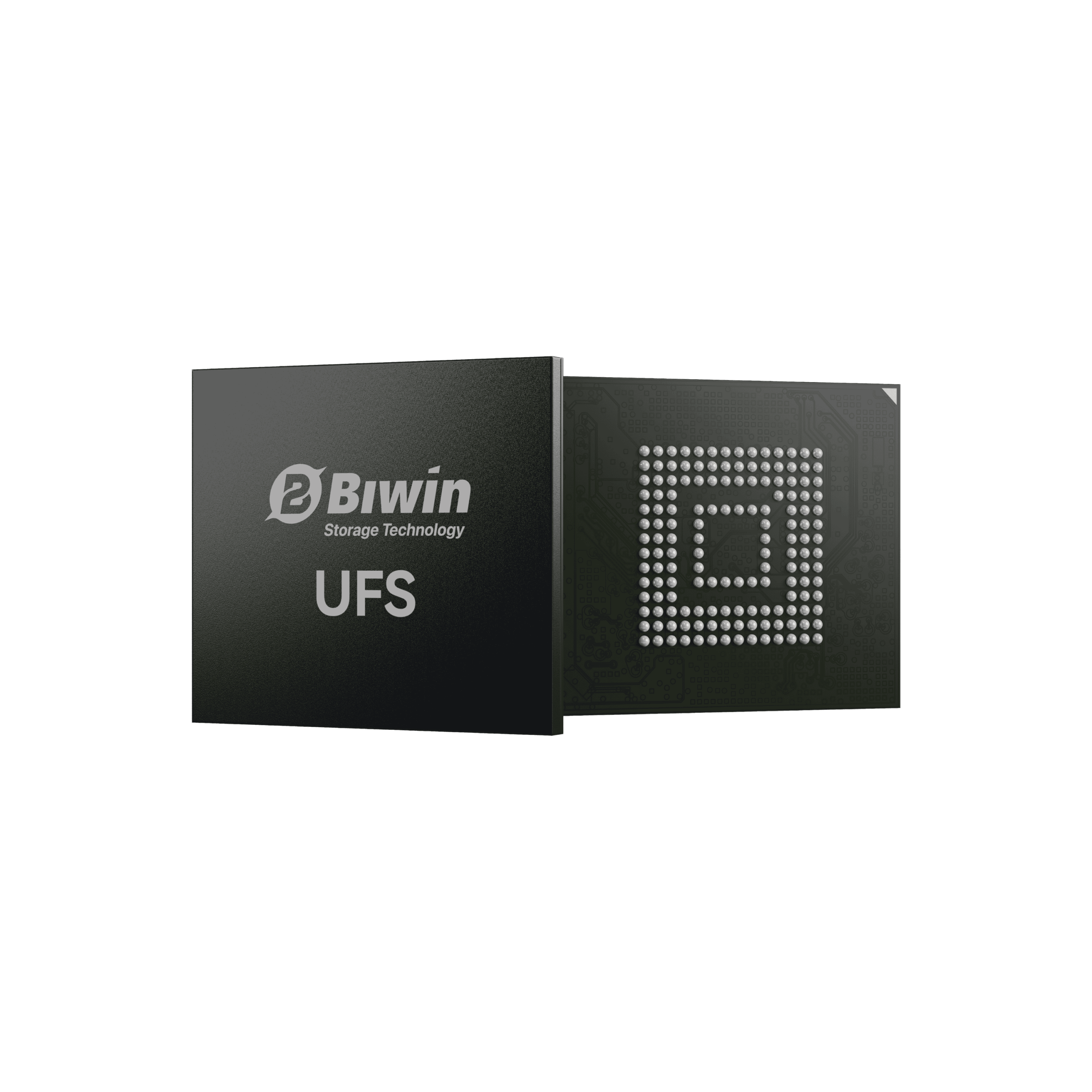
  • Next-Level Performance: BIWIN UFS storage adopts cutting-edge serial data transmission and LVDS interfaces (Low-Voltage Differential Signaling) to deliver faster speeds. Compared with traditional eMMC, UFS achieves nearly four times faster read/write performance—ensuring fluid, responsive user experiences.
  • Optimized Capacity: With advanced multi-layer stacking technology, BIWIN UFS achieves higher density within the same chip footprint to support larger media libraries, sophisticated apps, and data-intensive workflows.
  • Robust Reliability: Features such as data reporting and write protection ensure data integrity.

Case Study

Background

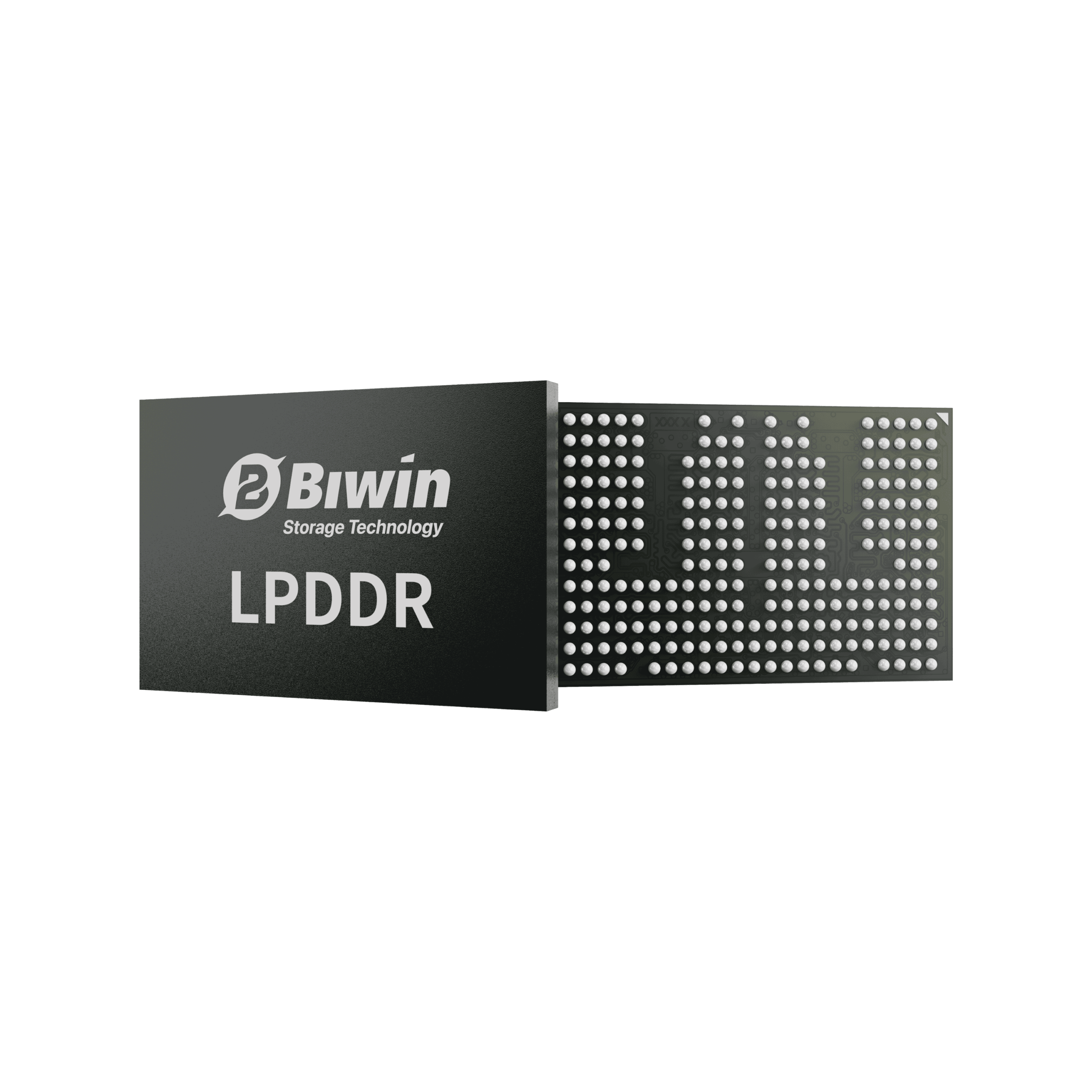
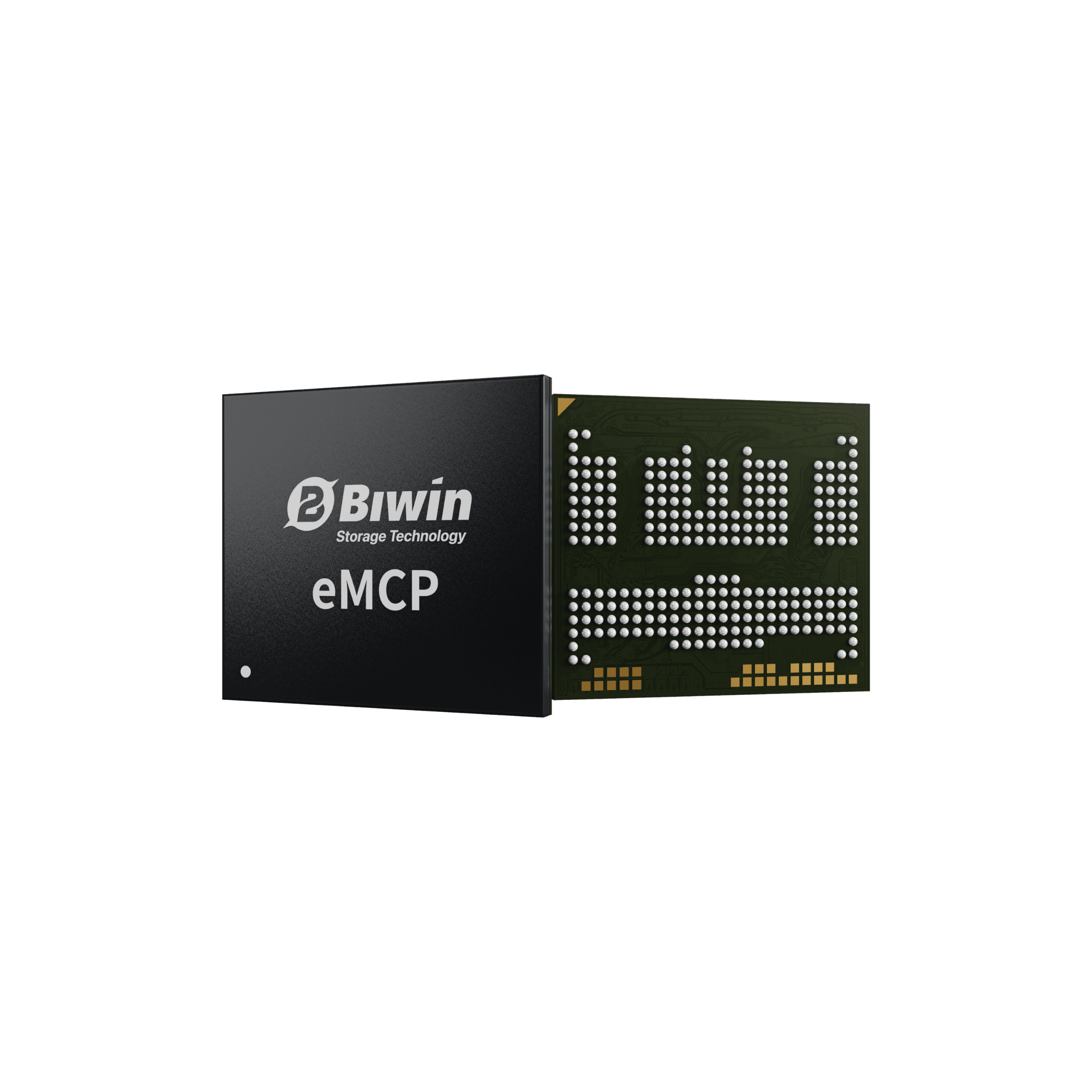
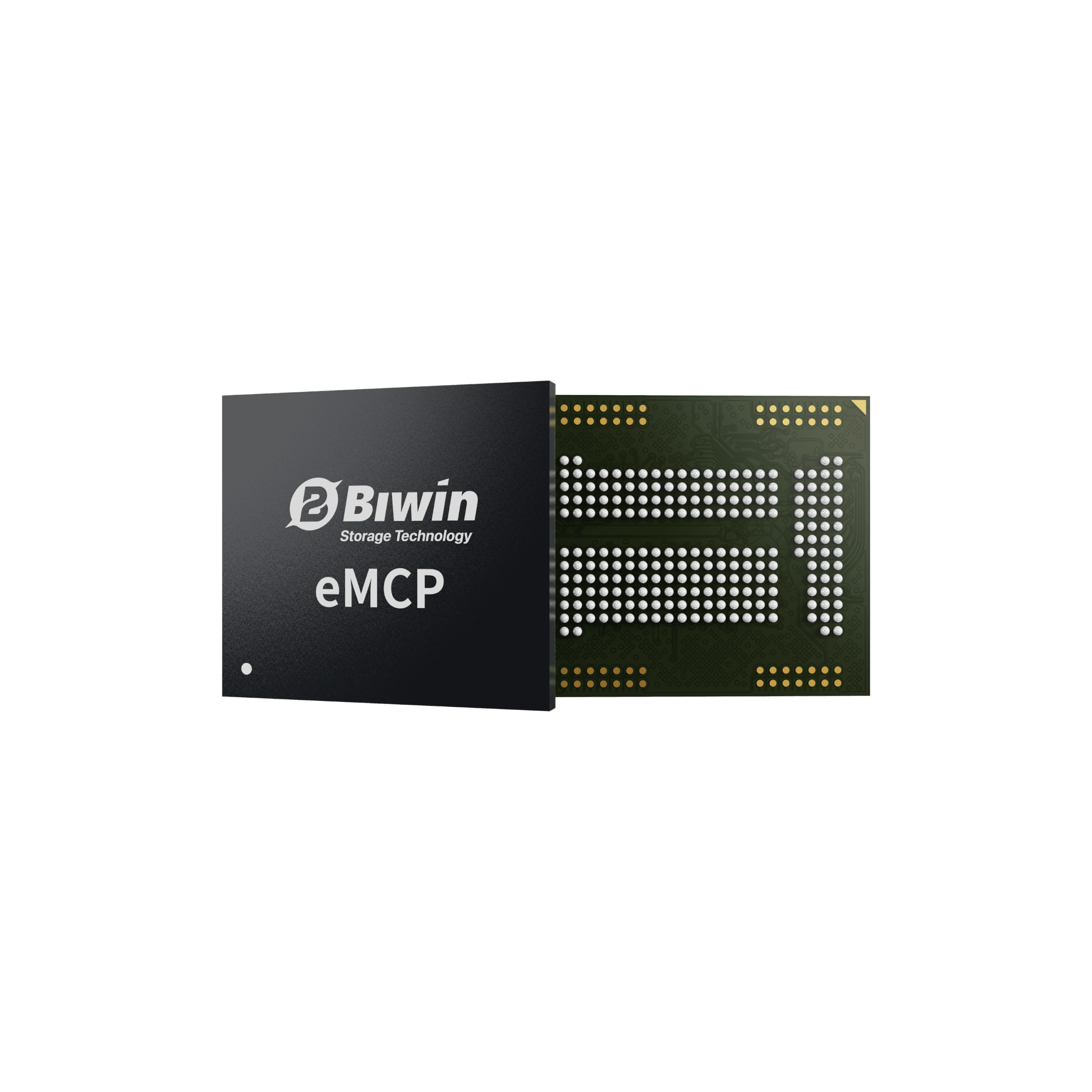
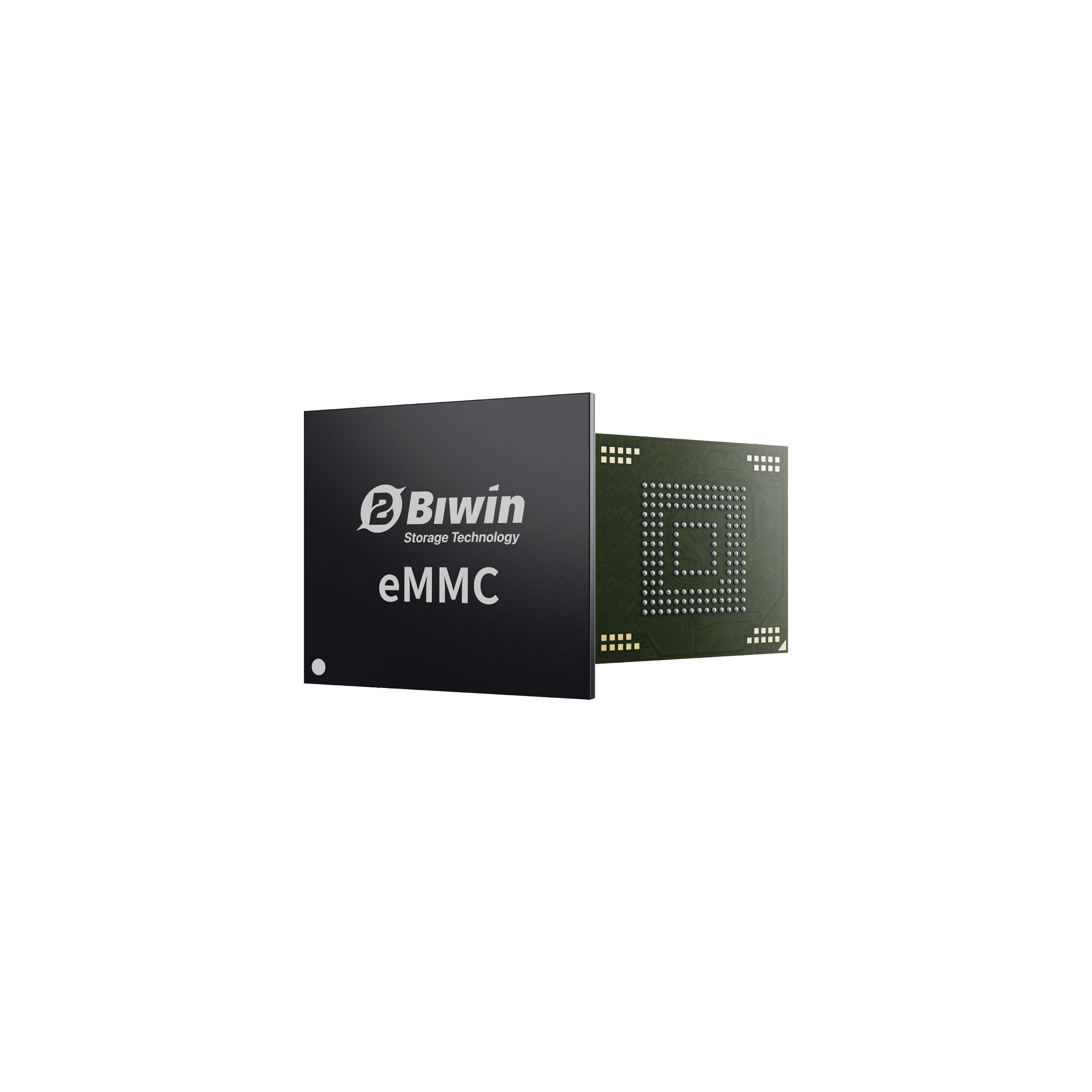
For a mid-to-high-end tablet platform, BIWIN provided a complete storage solution integrating eMMC, UFS, and LPDDR. The goal was to deliver a seamless experience in scenarios involving slim device designs, high-resolution and high-refresh-rate displays, AI-driven inference, and concurrent multimedia creation, while ensuring stable online performance.

Challenges

  • Real-Time Responsiveness and High-Speed I/O
  • Cost Efficiency in Complex Storage Architectures
  • Customized Compatibility

Implementation

  • Compatibility Assurance: To meet SoC adaptation requirements, BIWIN carried out parameter tuning, customized compatibility tests, and collaborated with SoC vendors for certification. Dedicated sample verifications were also conducted with manufacturing partners.
  • Performance Optimization: UFS storage was deployed to ensure sufficient bandwidth and concurrency, enabling rapid application loading and smooth multitasking.
  • Scalable Capacity: By adopting multi-layer stacking on the same wafer, BIWIN provided larger capacity options while maintaining material consistency and cost control, addressing diverse user needs.
  • Robust Reliability: Write protection and data integrity mechanisms were integrated to reduce data corruption and minimize user disruption.
  • Quality-Driven Development: From R&D to production, BIWIN enforced quality checkpoints through BOM locking and online monitoring, ensuring material consistency and full product traceability.

Outcomes

  • Delivered an integrated memory + storage solution tailored to the tablet platform’s compatibility requirements.
  • Provided advanced process chips that sustain fluid performance under high-resolution, high-refresh-rate, and AI-accelerated use cases.
  • Achieved high performance and stable mass production within the constraints of compact form factors, ensuring both scalability and reliability.