Overview

As one of the most popular products in the smart home sector, robotic vacuums have entered millions of households worldwide. Storage solutions for robotic vacuums cover critical aspects such as data recording and garbage collection, directly shaping both the user experience. While facing multiple challenges, innovations like high-capacity memory chips and advanced algorithms enable smoother performance, greater efficiency, and higher reliability.

Requirements

  • Real-Time Perception in Complex Home Environments: Multiple obstacles and surface types demand high-speed read/write performance to support real-time sensor fusion and computation.
  • Long-Term Reliable Recording: Maps, routes, and logs require continuous, concurrent writes with zero tolerance for data loss.
  • Serviceability & Cost Control: The complex environment makes troubleshooting difficult for end users, increasing the cost of individual service events.

Highlights

  • Real-Time Bandwidth: Memory supports concurrent high-speed read/write and caching for vision, LiDAR, odometry, and path-planning data streams.
  • Low Power Consumption: Low-voltage I/O combined with system-level power-saving strategies reduces power consumption in both standby and active modes, extending cleaning cycles and battery life.
  • Wide Temperature Range: Reliable operation from -25°C to +85°C, covering typical indoor and edge conditions.
  • Data Integrity: Firmware integrates ECC, validation, and recovery mechanisms to ensure long-term data accuracy and system stability.

Case Study

Background

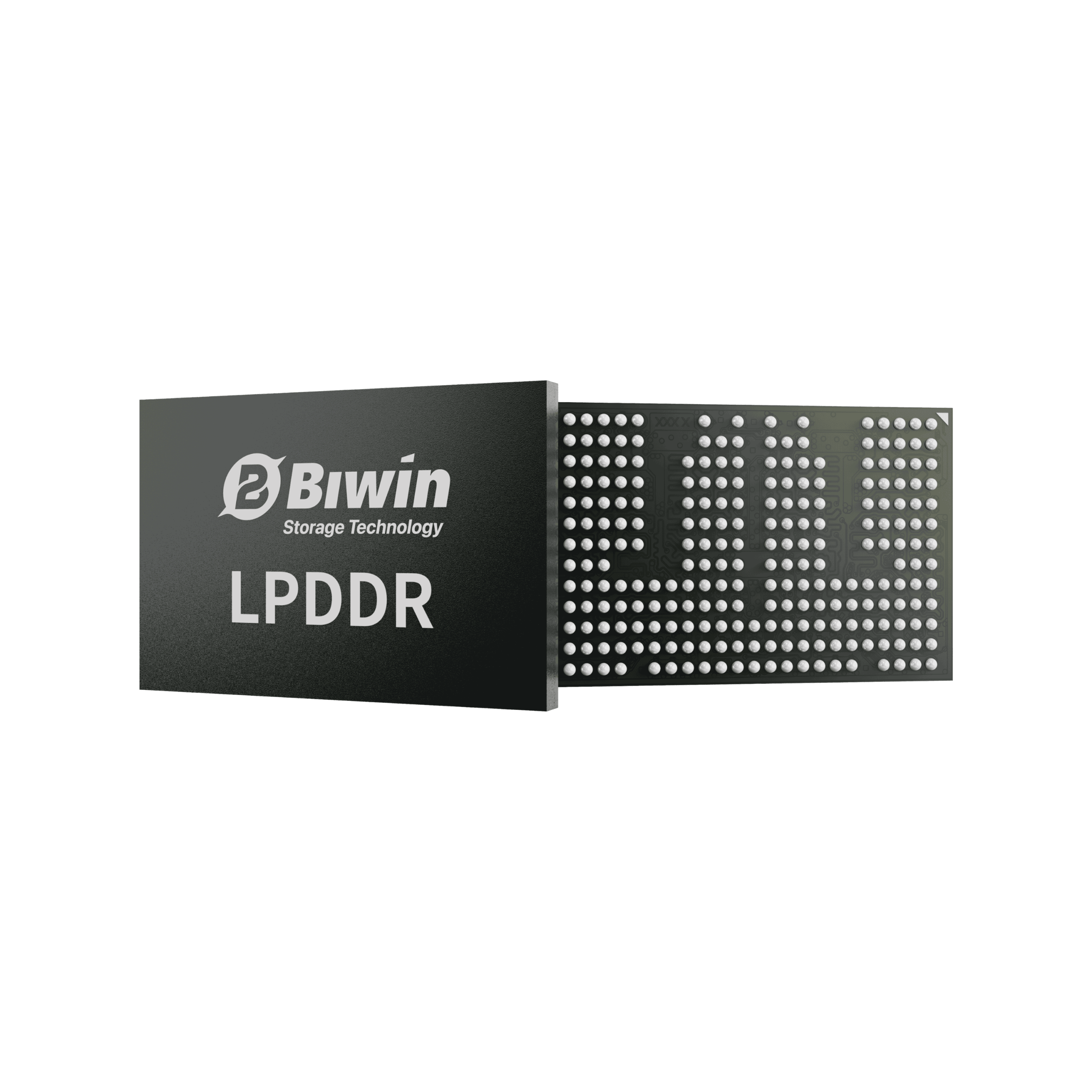
A national consumer electronics enterprise specializing in intelligent voice, language technologies, and AI, with strong R&D capabilities in both software and chip design, adopted BIWIN’s LPDDR4X storage solution for its robotic vacuum platform. The integration targeted three core needs: advanced environmental perception, long-term data stability, and extended battery life.

Challenges

  • Real-Time Computation: LPDDR4X enables high-speed access to support real-time sensor fusion and path planning.
  • Concurrent, Reliable Recording: Optimized for continuous, concurrent writes to maps, routes, and logs, ensuring data retention without loss.
  • Low-Power Design: Leveraged LPDDR4X’s low-power features together with system-level energy-saving strategies to extend operating time per session.
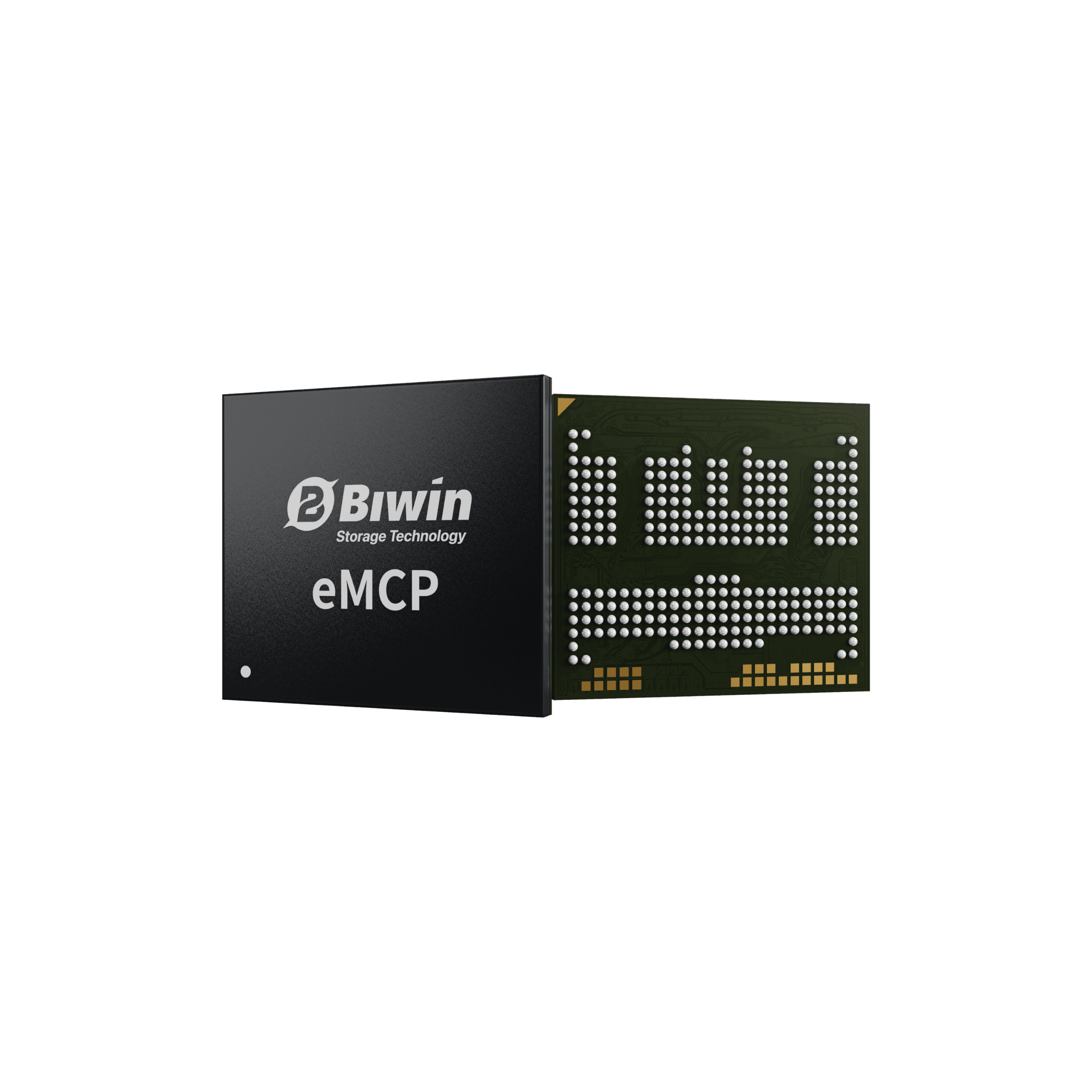
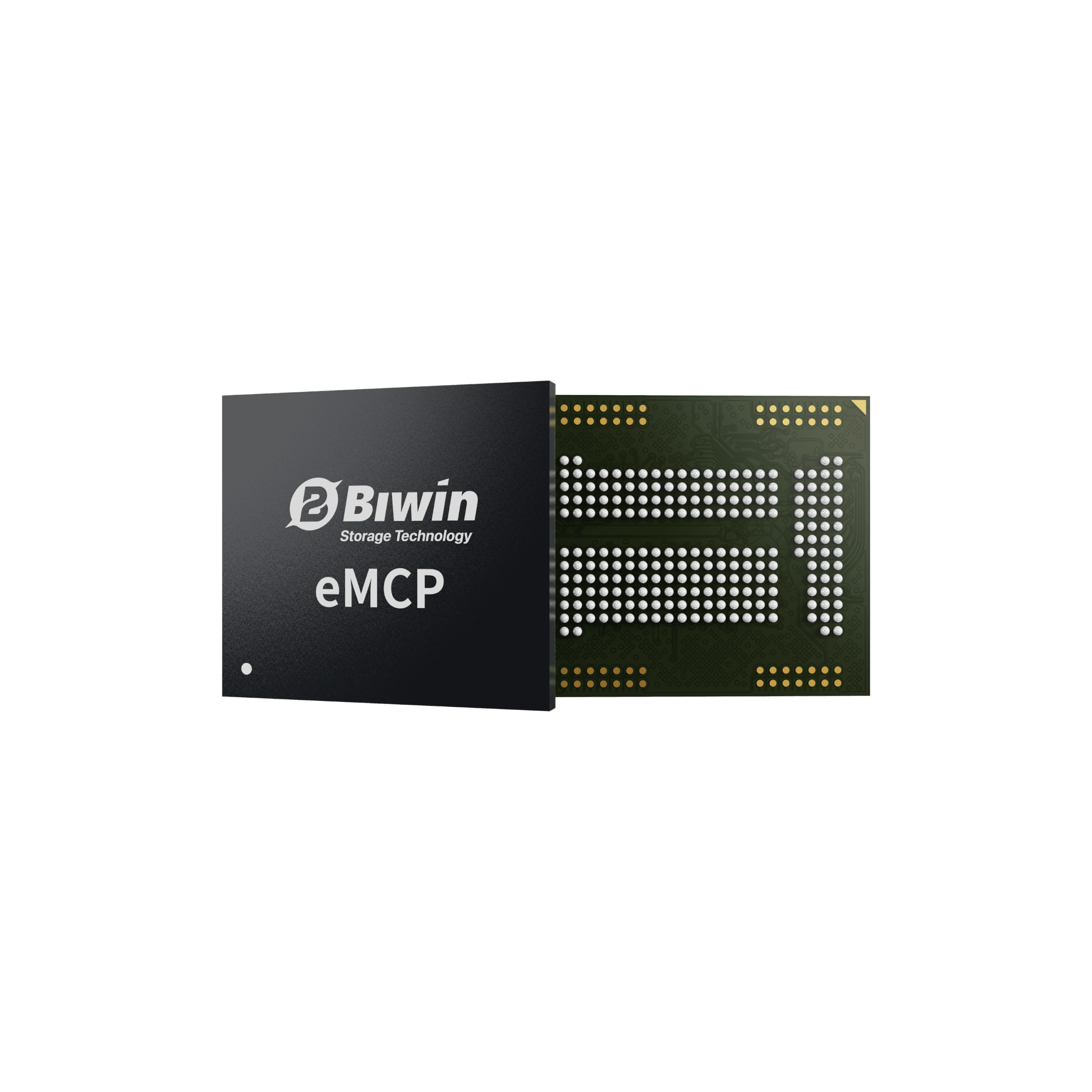
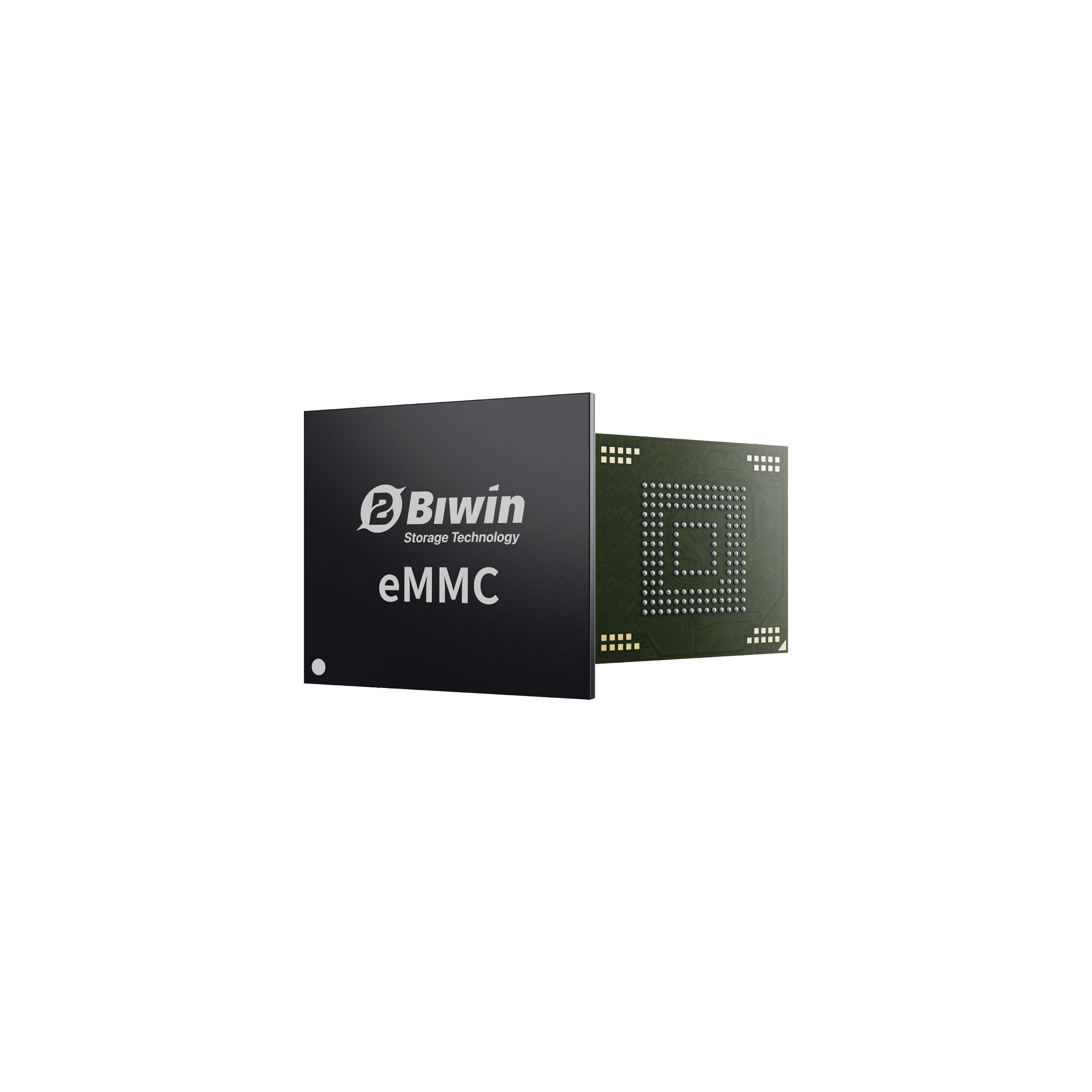
  • Reliability & Maintainability: eMMC firmware integrated ECC, validation, and recovery mechanisms to sustain long-term stable operation; robust quality controls ensured consistency and traceability from design through mass production.

Implementation

  • Real-Time Computation: LPDDR4X enables high-speed access to support real-time sensor fusion and path planning.
  • Concurrent, Reliable Recording: Optimized for continuous, concurrent writes to maps, routes, and logs, ensuring data retention without loss.
  • Low-Power Design: Leveraged LPDDR4X’s low-power features together with system-level energy-saving strategies to extend operating time per session.
  • Reliability & Maintainability: eMMC firmware integrated ECC, validation, and recovery mechanisms to sustain long-term stable operation; robust quality controls ensured consistency and traceability from design through mass production.

Outcomes

  • Successfully met robotic vacuum requirements for real-time perception, stable recording, and extended battery life.
  • Achieved controlled, traceable mass production, ensuring reliable delivery and continuous product evolution.