Overview

Smart wearables have evolved from niche products into mainstream devices. This evolution puts greater demands on storage, where solutions are expected to balance media integration, system architecture, data management, and performance efficiency. Reliability, energy efficiency, and ultra-compact form factors are critical to ensuring seamless operation in slim, lightweight devices.

Requirements

  • Low power consumption and extended endurance: Prolonged standby and deep-sleep states place stringent demands on energy efficiency.
  • Ultra-thin and compact form factor: minimal dimensions constrain storage which needs to support sleeker and more lightweight device designs.
  • High-performance small-block I/O: Typical wearable workloads involve frequent small-block read/write operations, requiring optimized throughput and efficiency.
  • Low-latency operation: AR/VR and AI applications depend on rapid response to maintain real-time performance.

Highlights

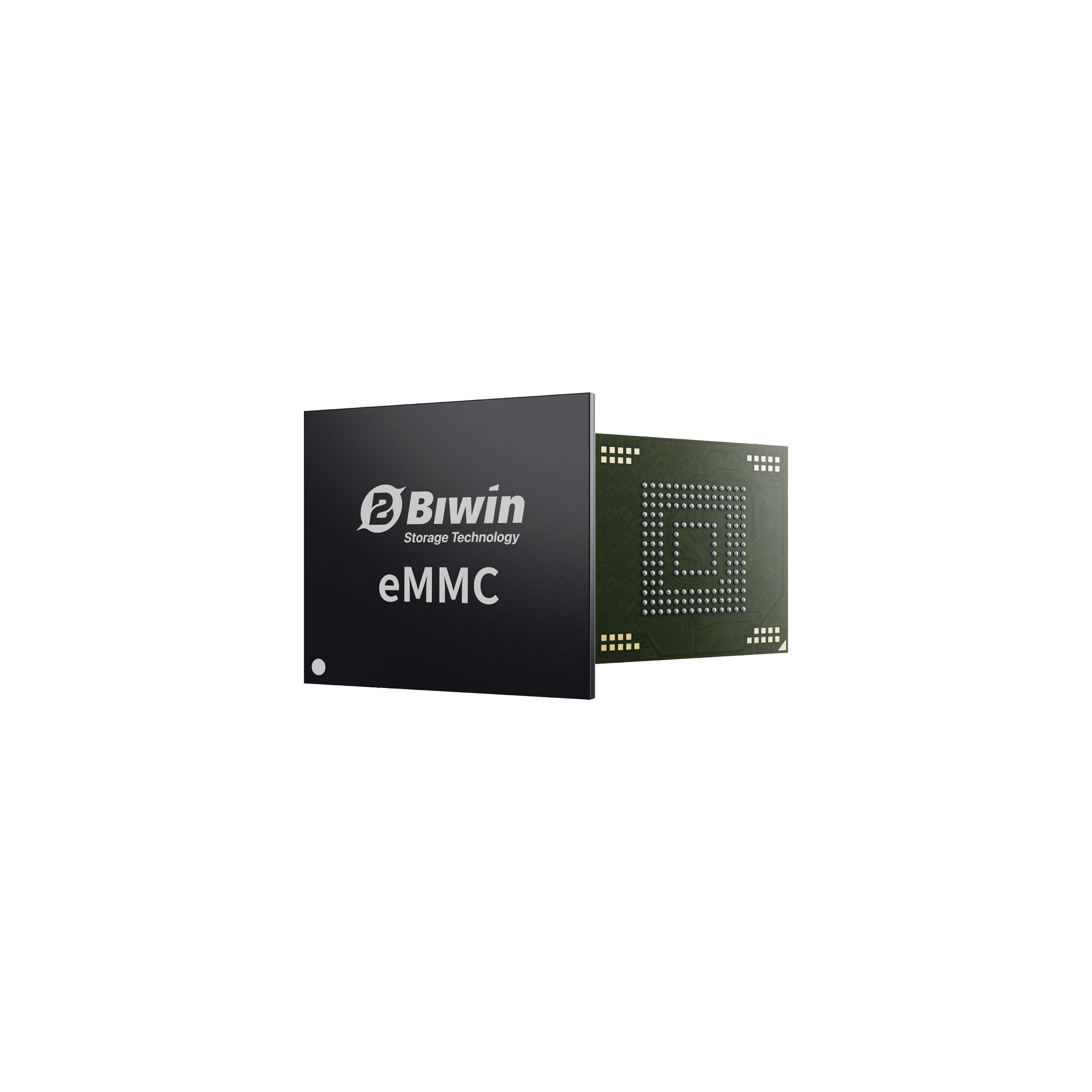
  • Ultra-thin, compact eMMC package (7.1 × 7.1 mm): Advanced packaging technology pushing the limits of physical design.
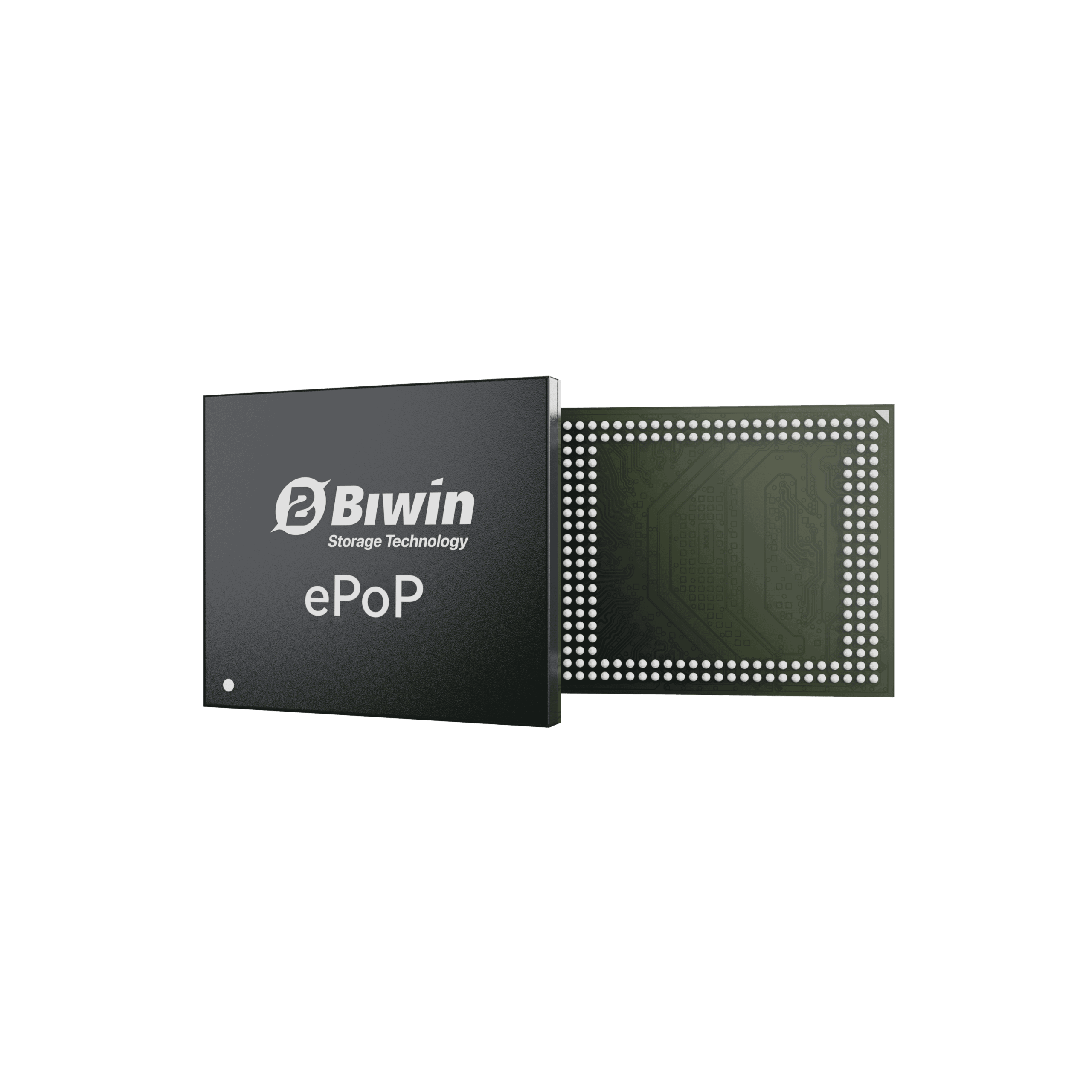
  • Proven stability with ultra-thin stacked design: Industry-leading ePOP storage solution delivering robust reliability.
  • Open chip architecture with in-house firmware customization and integrated packaging & testing: Supporting tailored eMMC/ePOP development on demand.

Case Study

Background

  • Customer: A leading global internet and cloud service provider.
  • Business: Entered the smartwatch sector in 2021 through acquisition.
  • Product positioning: Mid-to-high-end smartwatches.
  • Solution adopted: ePoP 144-ball package.
  • Core requirements: Deliver ultra-low power consumption and stable performance in a highly compact form factor, while meeting stringent mass-production standards.

Challenges

  • Dual requirements: high performance and low power consumption.
  • Risk of warpage and solder detachment in miniaturized designs under high/low temperature conditions.
  • Customer requirement for “mirrored small-substrate replacement validation,” demanding hour-level precision.
  • Strict coverage requirements for mass production testing.

Implementation

  • Custom firmware development and joint testing: Built test environments based on customer use cases; iterated over 10+ firmware versions to refine power and performance metrics.
  • Advanced packaging validation: Packaging design team evaluated 23 packaging schemes, addressing warpage and reliability risks, with the final solution approved by the customer.
  • Project schedule assurance: Designed and executed a plan for the “mirrored small-substrate replacement validation,” progressing on an hourly schedule.

Outcomes

  • Power efficiency and performance: Multiple firmware validation rounds confirmed compliance with customer requirements.
  • Reliability validated: Warpage issue resolved and passed customer qualification.
  • Milestones delivered: All development and validation completed on schedule, ensuring timely product launch.