Overview

In industrial automation, storage solutions are integral to optimizing operations. These devices handle vast amounts of data generated from machines, sensors, and control systems, enabling seamless data flow, real-time processing, and precise control across production lines.

Requirements

  • Environmental Durability: High temperature resistance, shockproof, dustproof, corrosion-resistant, ensuring stable data collection and control system operation even in harsh environments like casting, welding, and stamping.
  • Continuous Production Support: 24/7 uninterrupted operation, real-time data interaction for equipment control, production line scheduling, and robotic operationsfor high reliability, low failure rate, and continuous recording of production parameters.
  • Data Integrity: Error correction (ECC, LDPC), power-loss protection (PLP), and data security to ensure the integrity of critical production data.
  • Long-Term Compatibility and Maintenance: Long-term supply and compatibility, ensuring stable operation and easy maintenance across the equipment lifecycle, with continuous support throughout the entire lifespan of the equipment.

Highlights

  • Adaptable to Harsh Industrial Conditions: Wide temperature range (-40°C to +85°C), shock resistance, sulfur resistance, dustproof, and corrosion resistance for harsh environments such as casting, stamping, and welding.
  • Continuous 24/7 Operation Support: Meeting the data storage needs of intelligent production lines with 24-hour operation, MTBF of more than 3 million hours, and surpassing 1,000 industrial-grade test validations.
  • Comprehensive Data Protection: Features LDPC and ECC error correction, PLP power-loss protection, and custom encryption algorithms provide complete data security for MES systems and process parameters.
  • Long Lifecycle Support: Provides stable supply for more than 5 years, matching the long-use requirements of industrial equipment.

Case Study

Background

The client is a leader and innovator in smart manufacturing, dedicated to providing high-quality, low-cost automation and digital solutions.

The client required simplifying raw NAND management, replacing traditional SPI NAND, and reducing development and maintenance costs for drivers.

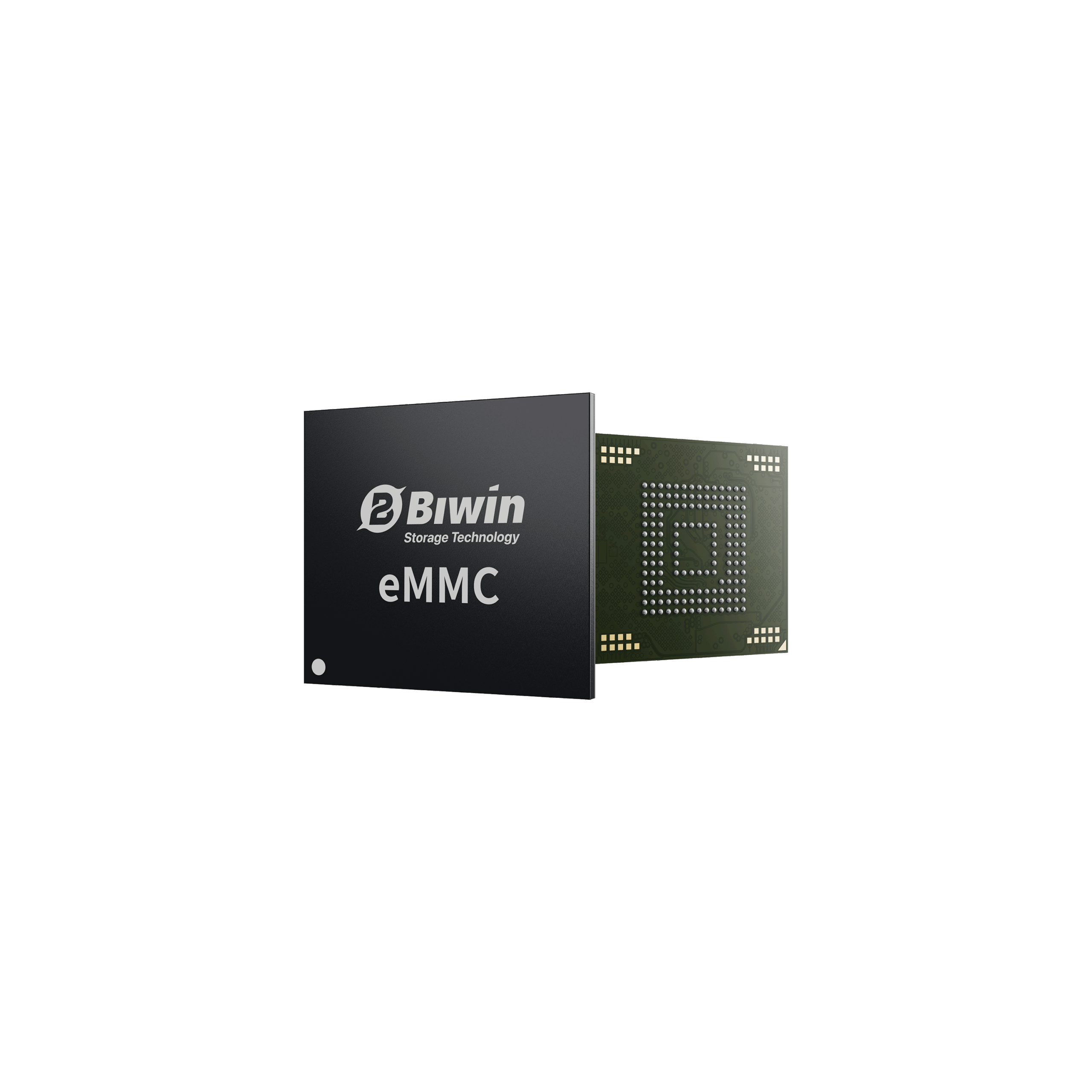
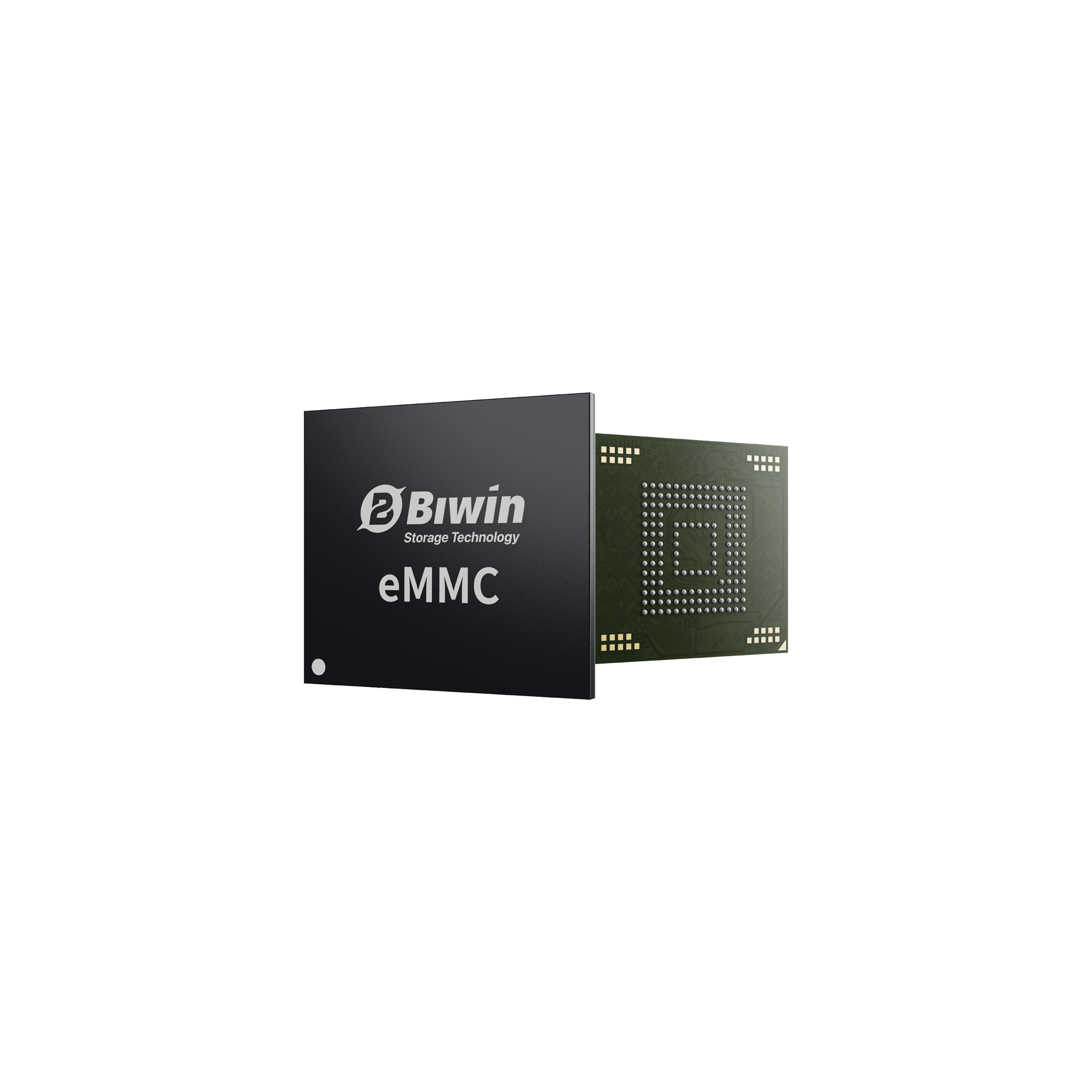
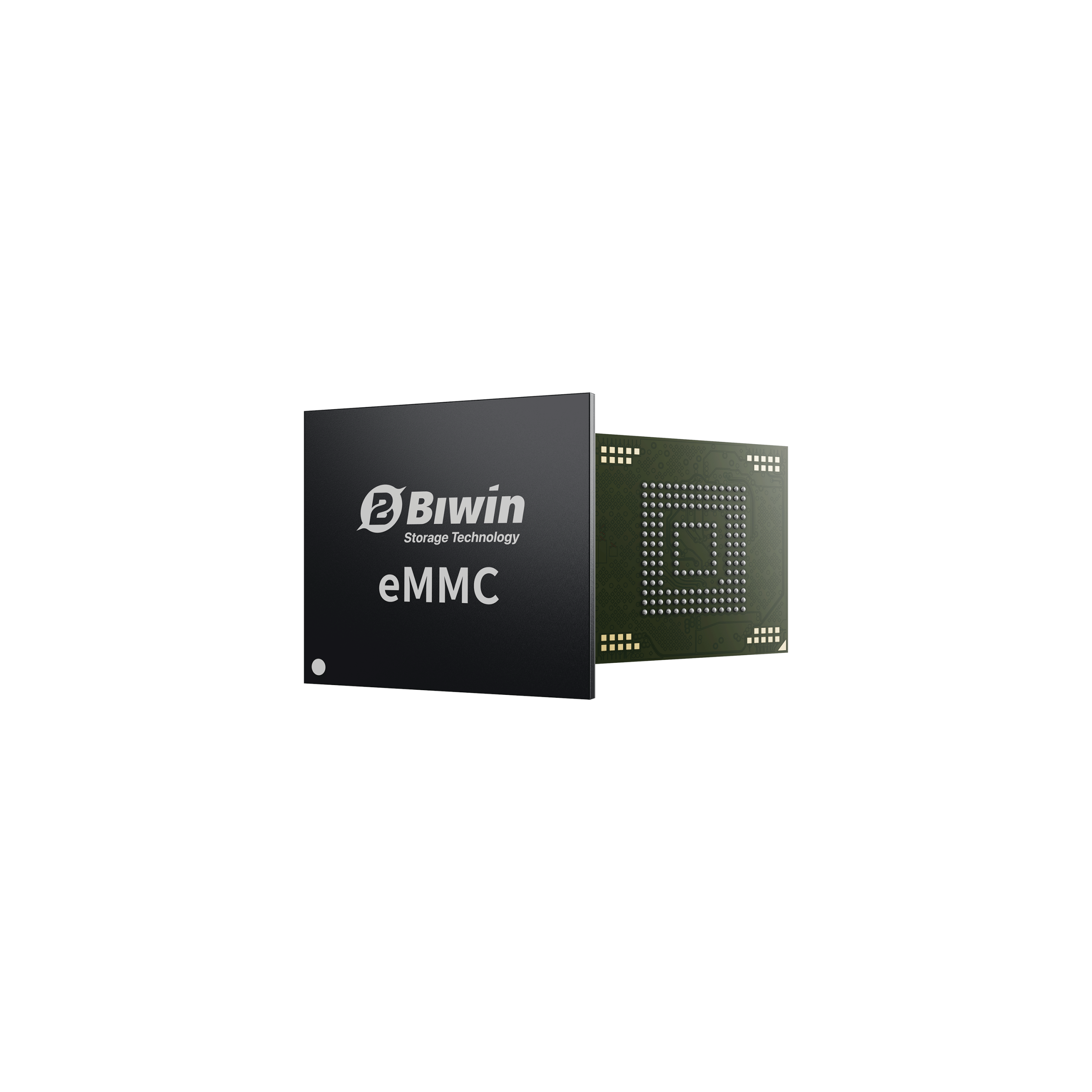
To meet their strong demand for highly customized storage solutions, BIWIN proposed using industrial-grade eMMC to replace the existing costly wide-temperature products, fulfilling the client’s need for cost reduction and efficiency improvement.

Challenges

  • Smooth User Experience: Ensuring real-time feedback, stability, reliability, durability, and compatibility at high standards for human-machine interaction.
  • Raw NAND Management: Custom drivers are required to organize and manage data, highlighting the need for efficient and intelligent data storage management.
  • Customization and Compatibility: Diverse functionalities of end products require high levels of customization and compatibility.
  • Cost and Capacity: The initial 2 GB selection faced high costs and specification competition, requiring higher capacity and reduced costs.

Implementation

Benefiting from the cost advantages brought by eMMC standardization, the overall price of the 2 GB raw NAND with self-written drivers was nearly the same as that of the 8 GB eMMC.


BIWIN recommended the client switch to the industrial-grade 8 GB eMMC, offering higher performance and lower cost as an upgrade.


This model supports features such as bad block management, garbage collection, FTL table, wear leveling, and online upgrades. It also meets the client’s customization requirements for data security, including power-loss protection and data soft destruction.


This solution reduced the client’s storage device costs while providing high-performance, high-reliability storage support.


Additionally, BIWIN designed a customized software development kit to ensure compatibility.

Outcomes

A low-cost, high-performance, and highly reliable human-machine interface was successfully developed.


This improved cost, performance, and user experience, significantly boosting the market competitiveness of the client’s industrial products, such as robots and medical devices.


The client gained a multi-faceted competitive advantage, enabling them to thrive in a highly competitive market.